


How to Evaluate the Degree of a Brain Injury After a Vermont Car Accident


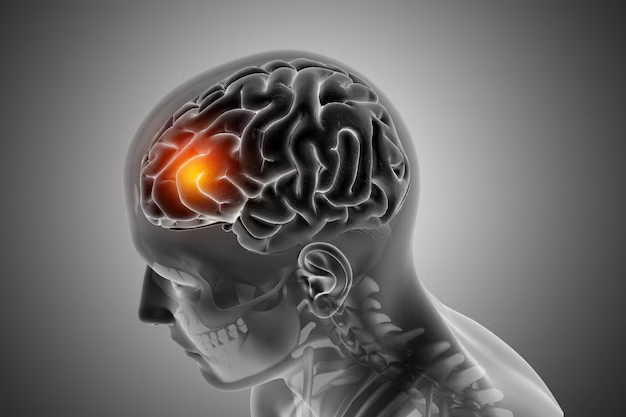
The science of traumatic brain injuries (TBI for short) continues to evolve as new studies release the long term impacts these injuries can have. What was simply classified years ago as “having your bell rung”, it has now been uncovered that the potential long term consequences of a TBI can be drastic if untreated. For those who have suffered an injury as a result of a car accident in Vermont, it is important to know how medical professionals commonly assess the presence and degree of a TBI.
Glasgow Coma Scale
The Glasgow Coma Scale is a 15 point test that can measure the degree of a TBI by asking measuring a patients ability to follow instructions and their fluency in moving their limbs after impact. Abilities are measured on a scale from 3-15. The higher the score, the less severe the TBI.
Question and Answer
Valuable information can be obtained simply by asking specific questions as to the patients response to the trauma and what they can and cannot remember. It is essential that the patient recall as accurately as possible what symptoms they felt, including lose of consciousness, lack of memory, and any describing factors that can explain how the injury was sustained.
Is Imaging Needed?
If there is concern that structural damage has been sustained to the brain, a CT scan or MRI may be necessary. This imaging may not pick up a TBI, as many of these injuries are not visible even with a more intensive MRI scan. However, if serious damage has been done, such as a brain bleed, this scan be be crucial in minimizing the overall damage of the TBI.
Pressure Monitoring
In some more serious cases, the swelling of the brain can cause significant pressure as it presses against the skull that can increase the damage sustained. In these cases, a monitoring device, known as a Intracranial pressure monitor, can be inserted to evaluate the degree of this pressure.
That Headache After a VT Car Accident May Be Something More
Often times, victims of a car accident in Vermont will attempt to self treat themselves, thinking that over a period of time they can “walk off” any injury they sustained. However, when it comes to the brain, it is important not to simply believe that it will heal with rest. With the improvements in medical treatment, TBI’s can be diagnosed and treated more effectively then in year’s past, if you take that initial step of accurately reporting all the symptoms to your medical provider.
The content contained in this post is for informational purposes only. If you need specific legal advice about your injury, consult with your own private attorney.
Our Offices




Contact Us
Fill out the form or call us at 802-257-7161.